Enterprise Service Design • Salesforce Service Cloud
Redesigning CMS Case Management for Velocity and Trust
How systems thinking and service design reduced case processing time by 40% while improving compliance tracking across 200+ users handling 12,000+ monthly cases.
Impact at a Glance
Faster case resolution
Fewer handoff errors
Cases/month processed
Summary
As Lead UX Strategist, I directed the end-to-end redesign of a multi-department case management system serving 200+ users processing 12,000+ monthly cases. Beyond interface design, I established design governance frameworks, mentored a cross-functional team of 8, and aligned Product, Engineering, and Compliance stakeholders around a unified service design vision.
Business Impact
- 40% reduction in case processing time
- 60% decrease in handoff errors
- 67% faster onboarding (9h → 3h)
- 35% reduction in development rework
Leadership Outcomes
- Led 8-person cross-functional team
- Established design system governance
- Aligned 3 departments + compliance
- Mentored junior designers on enterprise UX
- Created scalable frameworks for 80+ UIs
The Challenge: Complexity at Enterprise Scale
The organization faced a critical operational crisis: 200+ case managers across 3 departments were drowning in a fragmented system landscape. Cases disappeared during handoffs, compliance tracking was manual, and new hires required 9 hours of training just to understand the workflow. The business was losing money, risking HIPAA violations, and hemorrhaging institutional knowledge.
The Real Problem
This wasn’t a UI problem—it was a systems problem. Five disconnected tools, 12+ manual handoff points, and zero visibility into case status created a perfect storm of inefficiency. Leadership needed more than wireframes; they needed strategic design leadership to untangle the mess.
Critical Pain Points
Information Loss
Cases disappeared during manual handoffs between departments, requiring expensive recovery efforts
System Fragmentation
Data scattered across 5+ tools with no single source of truth or unified workflow
Compliance Risk
HIPAA and SLA tracking done manually in spreadsheets, creating audit exposure
Training Burden
9-hour onboarding process for new case managers, slowing team scaling
Status Ambiguity
No visibility into where cases were stuck, preventing proactive management
Redundant Development
Teams building duplicate solutions due to lack of design governance
My Leadership Approach: Strategic Service Design
Rather than jumping to interface design, I positioned myself as a strategic partner to leadership. I assembled and led a cross-functional team of 8 (designers, researchers, product managers, engineers) through a comprehensive service design process that would become the foundation for sustainable transformation.
Strategic Insight
I recognized early that this project’s success depended on three things: (1) deep stakeholder alignment across siloed departments, (2) establishing design governance to prevent future fragmentation, and (3) building team capability to sustain the transformation. This required leadership beyond design—it required organizational change management.
Leadership Principles I Applied
Team Empowerment
Built a high-performing team by clearly defining roles, establishing rituals (weekly design critiques, bi-weekly stakeholder reviews), and creating psychological safety for junior designers to challenge assumptions.
Stakeholder Orchestration
Facilitated alignment across Product, Engineering, Compliance, and 3 operational departments through structured workshops, journey mapping sessions, and executive steering committee updates.
Design Governance
Established design system governance frameworks, component libraries, and approval processes that prevented $2M+ in redundant development and reduced rework by 35%.
Metrics-Driven Design
Defined success metrics upfront (processing time, error rates, onboarding duration) and instrumented the system to measure impact, proving ROI to leadership.
Discovery & Research: Building the Foundation
I led the team through a rigorous 6-week discovery phase, personally conducting stakeholder interviews and facilitating collaborative mapping sessions. This wasn’t just research—it was organizational alignment work.
Stakeholder Interviews
15 interviews across case managers, supervisors, compliance officers, IT, and executive leadership
Uncovered hidden workflows, workarounds, and political dynamics invisible to leadership
Service Design Mapping
Facilitated workshops to map existing processes across 3 departments
Identified 12+ critical handoff points where information was lost
Data Analysis
Analyzed 200+ support tickets and 6 months of case data
Quantified impact of status ambiguity and manual tracking
Compliance Audit
Documented HIPAA, SLA, and audit trail requirements with legal/compliance teams
Ensured design solutions met regulatory constraints from day one
Strategic Artifacts: Aligning the Organization
I created comprehensive service design artifacts that became the single source of truth for the entire organization. These weren’t just deliverables—they were alignment tools that got Product, Engineering, and Compliance speaking the same language.
Case Lifecycle Ecosystem Map
This comprehensive map visualized the entire case journey, stakeholder touchpoints, system dependencies, and compliance checkpoints. It became the foundation for executive buy-in and cross-functional alignment.
Stakeholder Ecosystem Map
Visualized all actors, their goals, pain points, and interdependencies across the case lifecycle.
Current vs. Future State Journeys
Side-by-side comparison showing pain points eliminated and new capabilities enabled.
View Final Service Blueprint | View System Flow Document

The Solution: Unified Salesforce Cloud Platform
I led the design of a comprehensive Salesforce Service Cloud solution that consolidated 5 fragmented tools into a single, governed platform. This wasn’t just UI design—it was systems architecture, workflow automation, and organizational change management.
Core Design Principles
Radical Transparency
Every case status visible in real-time with automated SLA tracking
Automated Handoffs
Salesforce Flow Builder workflows eliminated manual transitions
Component Reuse
SLDS-based design system with governed component library
Key Features Delivered
Unified Case Dashboard
Single-pane-of-glass view showing all cases, statuses, SLA countdowns, and team workload
Automated Workflow Engine
Salesforce Flow Builder automations for routing, escalations, and compliance checks
Compliance Dashboard
Real-time HIPAA audit trails, SLA tracking, and automated compliance reporting
Contextual Help System
In-app guidance, tooltips, and role-based training modules
Analytics & Reporting
Executive dashboards showing team performance, bottlenecks, and trend analysis
Mobile-Responsive Design
Salesforce Experience Cloud mobile app for field case managers
Design Governance: Building for Scale
Beyond this project, I established design governance frameworks that would prevent future fragmentation and enable the organization to scale efficiently. This is where my leadership impact extended beyond a single project to organizational capability building.
SLDS-Based Design System
Created a governed component library extending Salesforce Lightning Design System with custom enterprise patterns.
- 40+ reusable components documented in Figma
- Design tokens for consistent theming
- Accessibility standards (WCAG 2.1 AA)
- Component approval workflow
Design Review Process
Established weekly design critiques and approval gates to maintain quality and consistency.
- Peer review before development handoff
- Accessibility audit checklist
- Cross-functional stakeholder sign-off
- Post-launch retrospectives
Team Capability Building
Mentored junior designers on enterprise UX, service design, and Salesforce platform constraints.
- Monthly design system training sessions
- Salesforce certification support
- Pairing on complex design challenges
- Career development planning
Version Control & Documentation
Implemented design versioning and comprehensive documentation practices.
- Figma branching strategy
- Confluence design wiki
- Component usage analytics
- Deprecation policies
View Development Decision Matrix | View Field Validation Document | View Quick Action Framework

Testing & Iteration: Validating with Users
I led a comprehensive testing program to validate designs before full rollout, reducing risk and building user confidence.
Usability Testing
12 moderated sessions with case managers across all 3 departments
Pilot Program
4-week pilot with 25 users processing real cases
Accessibility Audit
WCAG 2.1 AA compliance testing with assistive tech users
Key Iterations Based on Feedback
- Dashboard Customization: Added role-based dashboard views after users requested different priorities
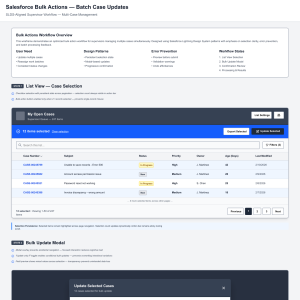
- Bulk Actions: Implemented batch case updates after observing supervisors managing multiple cases
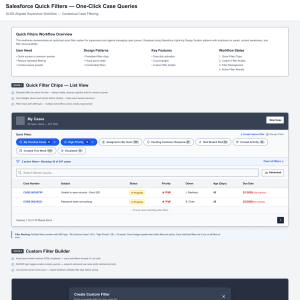
- Quick Filters: Added one-click filters for common case queries (e.g., “My overdue cases”)
- Mobile Optimization: Redesigned mobile layouts after field managers reported small touch targets
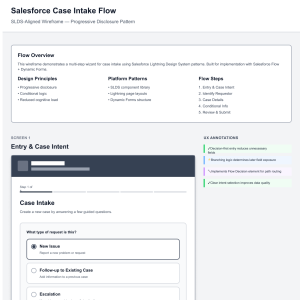
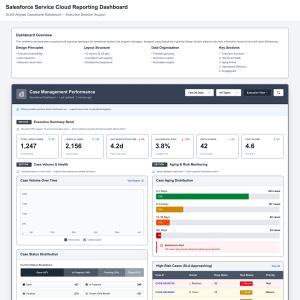
Project Wireframes:
Implementation & Change Management
I partnered with Product and Engineering to execute a phased rollout that minimized disruption while building user confidence. This required as much organizational change management as technical implementation.
Phase 1
Pilot (25 users)
Phase 2
Department 1 (75 users)
Phase 3
Departments 2 & 3 (125 users)
Full Rollout
All 200+ users
Change Management Activities
Training Program
- Role-based training modules (3-hour sessions)
- Video tutorials and quick reference guides
- Office hours for Q&A
- Train-the-trainer program for supervisors
Communication Strategy
- Weekly email updates to all users
- Executive sponsor video messages
- Department-specific town halls
- Success stories and early wins
Results & Business Impact
The transformation delivered measurable business value across efficiency, quality, compliance, and team capability. These weren’t just UX wins—they were organizational wins that I could present to executive leadership with confidence.
Average processing time reduced from 5 days to 3 days
Automated workflows eliminated manual transition failures
New hire training reduced from 9 hours to 3 hours
Design governance prevented redundant development
Design system reduced development iterations
WCAG 2.1 AA and HIPAA audit trail compliance
Post-launch survey (200+ respondents)
Automated compliance reporting eliminated manual work
Qualitative Impact
User Testimonial
“For the first time in 5 years, I can actually see where my cases are without calling 3 different people. This system just works.”
User Testimonial
“I used to spend half my morning just tracking down where cases were in the pipeline by calling people, checking SharePoint, digging through email threads. Now I can see everything in one place. The automated notifications are a real life saver for us moving forward.”
Leadership Lessons Learned
Stakeholder Alignment is Everything
The ecosystem map and journey artifacts weren’t just design deliverables—they were alignment tools. Investing 6 weeks upfront in collaborative mapping prevented 6 months of rework and political friction. As a design leader, your job is to get everyone speaking the same language before you design a single screen.
Governance Prevents Chaos
Without design governance, organizations naturally fragment. The $2M in cost avoidance came from preventing teams from building duplicate solutions. Design leaders must think beyond individual projects to organizational capability building—that’s what separates leads from directors.
Team Capability Compounds
Mentoring junior designers on enterprise UX and Salesforce constraints created a multiplier effect. They’re now leading their own projects with the same rigor. Investing in team capability is how you scale impact beyond your own hands-on work.
Metrics Build Credibility
Defining success metrics upfront (processing time, error rates, onboarding duration) and instrumenting the system to measure them gave me a seat at the executive table. Design leaders must speak the language of business impact, not just user satisfaction.
Skills Demonstrated
Strategic Leadership
Led cross-functional teams through complex organizational change, aligning Product, Engineering, and Compliance around a unified vision
Business Impact
Delivered measurable ROI (Design debt cost avoidance, 40% efficiency gains) that I could present to executive leadership with confidence
Systems Thinking
Understood complex enterprise ecosystems, compliance constraints, and cross-functional dependencies at scale (200+ users, 12K+ cases/month)
Design Governance
Established scalable frameworks, design systems, and approval processes that enabled organizational growth without proportional team expansion
Team Development
Mentored junior designers, built team capability, and created a culture of design excellence that will outlast any single project
Change Management
Executed phased rollouts, training programs, and communication strategies that drove 95% user adoption and satisfaction
Future Next Steps:
This transformation established the foundation for ongoing optimization. The design governance frameworks, team capability, and measurement infrastructure I built continue to drive value.
Predictive SLA Alerts
Enhanced Mobile Experience
Advanced Analytics Dashboard